Sunday, March 19, 2017

How to Set Up and Use an Embroidery Machine

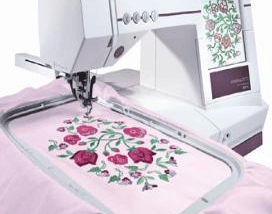
Getting a new embroidery machine can be an exciting time for a crafter who is looking for ways to expand their sewing skills. What you may find once it is time to take the machine out of the box is that the job of setting it up and getting started is a lot more intimidating than you expected. This is the point where you have to start making decisions about embroidery designs, which thread to use, and what material is best. The process of embroidery is automated, but the choices you make prior to the actual embroidery process will determine how successful you are at your new craft.

Step #1: Get to Know Your Embroidery Machine
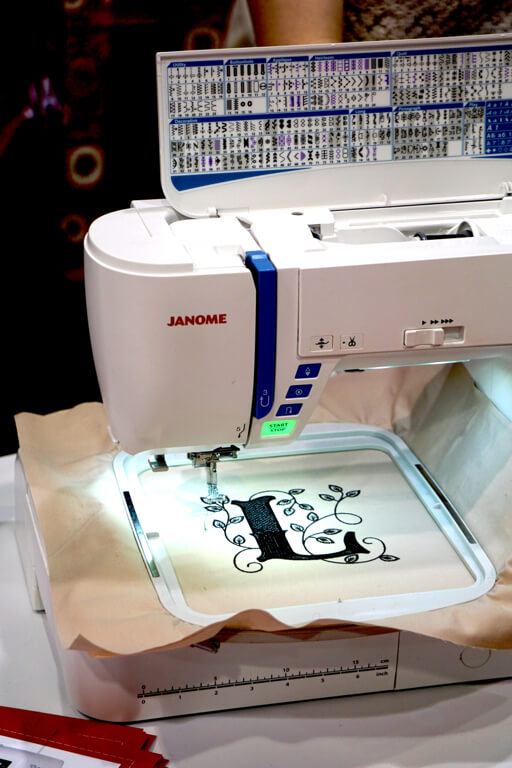
There are many brands and models of embroidery machines and each differs to some degree. If your machine is brand new and comes with a guide, this is a good place to start with setting it up. It will let you know which foot to use for the embroidery and how to go about loading designs to the machine. Not all designs are compatible with all machines and some won’t fit the embroidery hoops that are compatible with your machine.

There are many YouTube videos demonstrating the setup and use of a number of the most popular embroidery machines sold and used today. For many, seeing a visual demonstration makes it much easier to understand the different parts of the machine and how to use them. It’s also a good way to learn how to thread the machine; often one of the most complicated feats when using a new sewing machine of any kind!

Step #2: Select the Right Needle and Thread

Embroidery needles range in size from 60/8 to 120/19 with the numbers on the lower end being the finer, more flexible ones and those on the upper end of the range being heavy-duty. The higher number refers to the diameter of the shaft in millimeters and the lower number represents the number assignment according to the U.S. system.

The right needle for the job depends on the type of fabric and thread being used. The size and sharpness of the needle determine how the point goes through the fabric and how big the hole is that it makes. The idea is to choose a needle that will penetrate the fabric easily without doing any damage to the fabric or putting too much stress on the needle. The basic types of needles are:
· Universal – These needles usually work well with most fabrics including both wovens and knits. They have a ballpoint tip that is tapered so that it goes through the fabric easily. While these needles might be considered “standard”, there are some projects that require a different type of needle.

· Sharp – Sharp needles have a sharper point that makes them ideal for penetrating heavier knit and woven fabrics as well as embroidery for lace or cardstock. Some sewers prefer sharp needles for a broad spectrum of projects because it makes a smaller hole in the fabric and results in well-defined embroidery patterns.

· Ball Point – This type of needle has a rounded point like that of a ball point ink pen. The idea behind these needles is to slip between the weave of the fabric instead of penetrating it. Many embroiderers recommend using these needles for knits to prevent damaging the fabric with holes or runs.

The needle and thread work together to create embroidery and they should be compatible for each type of project. Embroidery threads come in different weights and are made of a variety of materials including rayon, cotton, polyester, silk, and metallics. One common misconception about thread is that the higher the weight, the heavier the thread. In fact, a higher weight means that the thread is finer than one of a lower weight. Rayon thread that is 40-weight is considered the standard for embroidery.

When using a heavier weight thread, you will want to use a thick thread needle that has a larger eye to accommodate the thickness of the thread. There is also a special embroidery needle for leather and suede that is designed with a wedge point that makes a smaller perforation. Other types of specialty embroidery needles include those for use with metallic threads, for quilting, and for topstitching.

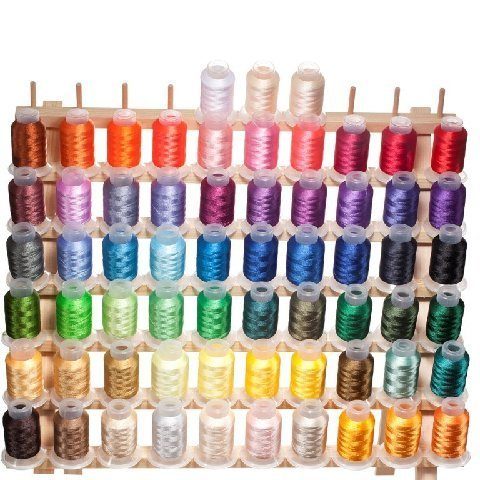
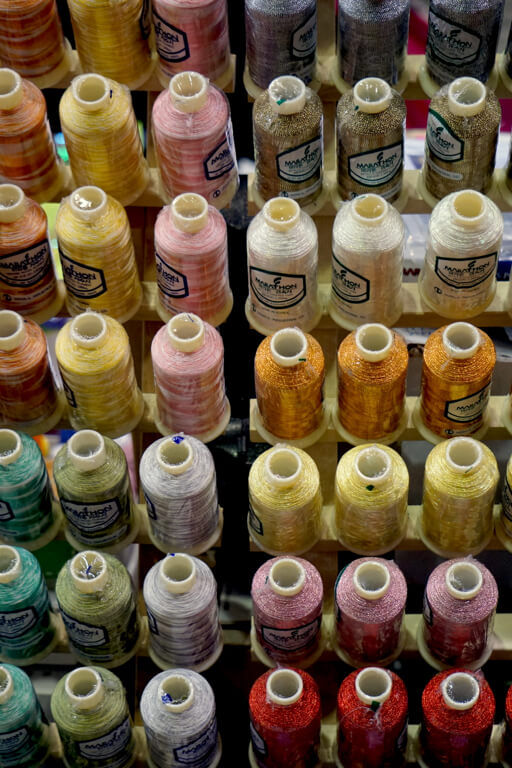
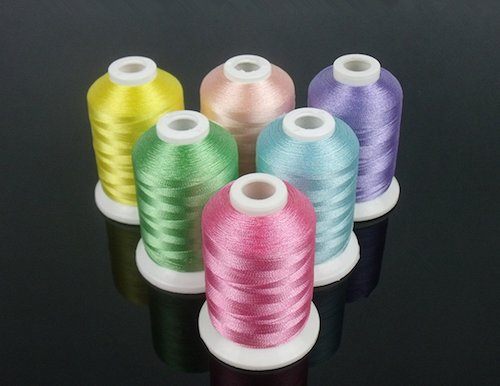
Of course, the thread color is also important to the outcome of the design. Embroidery threads are numbered according to color and these numbers will be included in the designs. You can purchase thread individually or purchase sets that include a comprehensive color palette. Collections are usually more cost-effective but you should make sure that they are high quality threads. During the embroidery process, the machine will prompt you when it is ready to go to a new color and will provide you with a digital display of the number for the color of thread to put into the machine next.

Step #3: Use Stabilizer
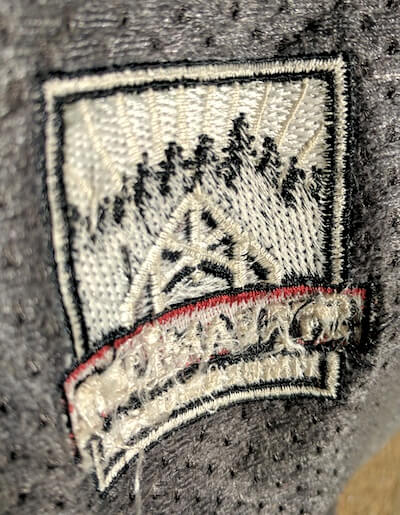
Stabilizer is a thin sheet of material that goes underneath the embroidery fabric to help keep it in place during the embroidery movements and it prevents puckering or pulling of delicate or sheer fabrics. It also provides a surface for embroidering open-weave fabrics such as lace. There are four types of stabilizers for different uses including:

· Cutaway – Used as a permanent stabilizer

· Tearaway – Less permanent

· Water Soluble – Temporary, dissolves when placed in water

· Tacky – Allows you to move the stabilizer and reposition

Step #4: Start Small

Taking on too large of a project before you have mastered the machine can end with disappointment when things don’t turn out the way you expected. Start with a small, beginner-level project to practice on so you won’t be discouraged if it doesn’t turn out perfect. Think of your first project as a learning experience and an opportunity to troubleshoot problem areas.

Even if you have been doing hand embroidery for years, machine embroidery is different. Something as simple as failing to use the embroidery foot instead of the standard one could result in a poor quality piece of embroidery.

Step #5: Master the Software

Most of the embroidery machines on the market today come with a specified number of designs loaded into the machine. There are also thousands of designs you can access online. If you plan to use these designs, you will need a software program to get them to your machine. Embroidery software reads designs that are digitized for this purpose.
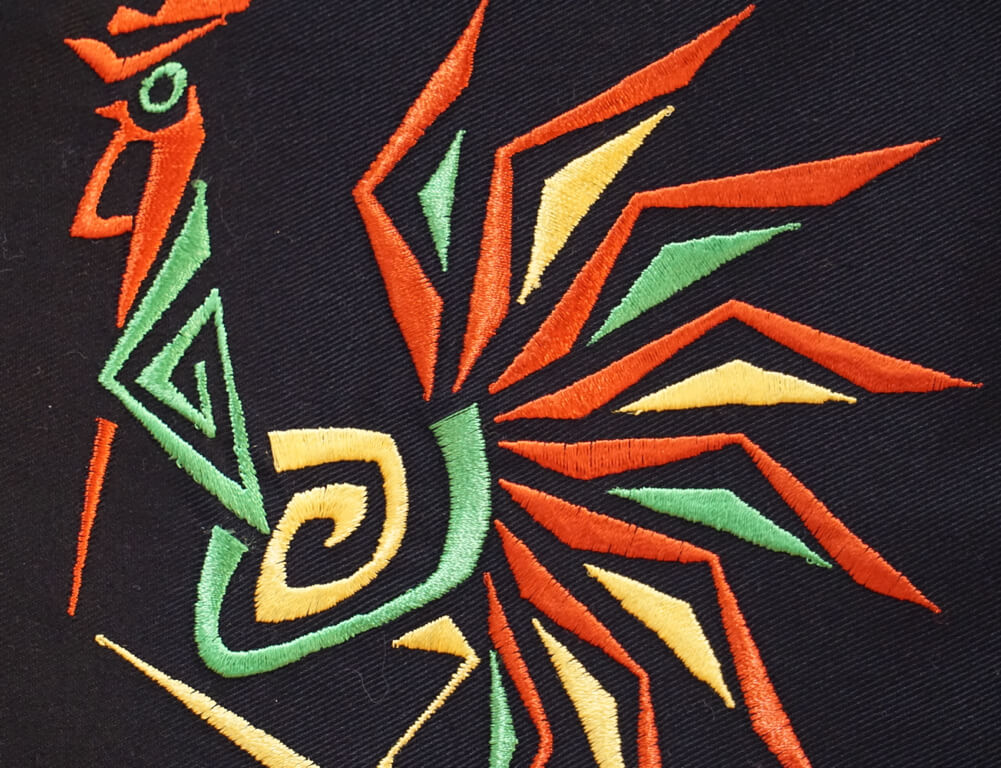
When you purchase one of the designs online, it will need to be downloaded into your computer. The embroidery software will let you open the design where you can see it. Once open, you can edit the design to suit your needs. Once the final design is ready, you will use the embroidery software to transfer the design from your computer to your machine. Depending on your machine, this may be done by using a USB memory stick, hooking the computer up directly to the machine, or, in older models especially, by reading a card. Once you have purchased a design, you can store it for later use and for any further editing you may require.

Also, become familiar with the different settings on the machine and learn what the digital displays mean. Otherwise, you may have many more options for manipulating the appearance of your designs than you realize.

Step #6: Learn to Hoop

The embroidery hoop is the part of your embroidery machine that stabilizes the pattern. The hoops come in a variety of sizes and most machines will list the different sizes that are compatible. You should always use the smallest embroidery hoop possible with any design to make it more secure.
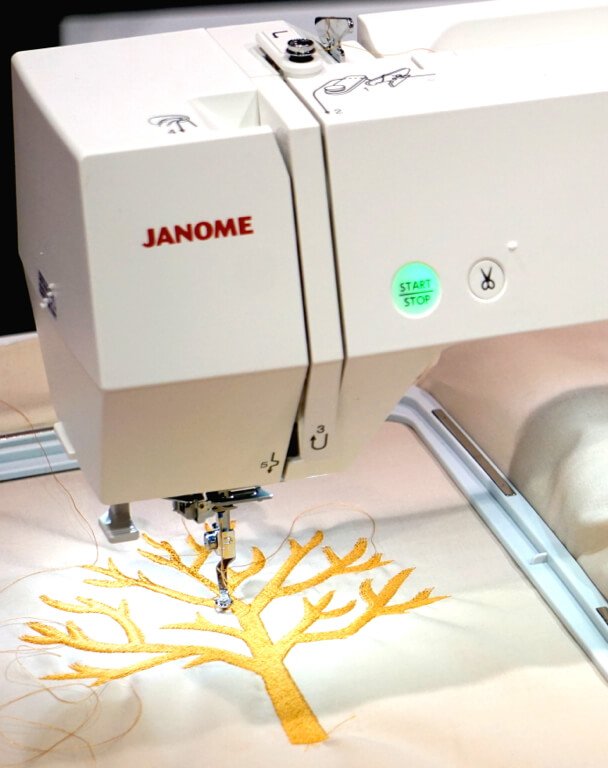
The hoops should be placed with the text and markings right side up in the position where you can read them. A quick-release button will be in the corner, along with a screw that will allow you to loosen and tighten the hoops. Raised marks on the sides will mark both the vertical and horizontal center of the embroidery area and not necessarily the center of the hoops themselves. Putting a light finger crease in the fabric will allow you to line up the center of the fabric with the center of the embroidery hoop.

The fabric and stabilizer are placed between the inner and outer rings to create neutral tension. The fabric should not be stretched too tight and it should not be loose. If it is difficult to push the outer ring over the inner ring and the fabric, loosen the hoop. Once loaded, the hoop will go under the foot and snap into the hoop connector on the side of the machine. Make sure it snaps securely into place. Do not use your embroidery fabric the first time you hoop. You don’t want to find out too late that the hoop isn’t set right.

Once you have the hoops in place, turn the machine on. Depending on the machine, it may require calibration before it begins to embroider the pattern. If so, the digital display will guide you through the process.

You will have the option to edit your design at this point, such as making it smaller, larger, or off-center. Again, the options you have for altering your design will depend on your specific brand and model of machine.

Press the start button and the machine will continue with the embroidery design until it is complete or until you are prompted to change the color of thread. If the end result is not what you expected, go back through these steps and try to troubleshoot what might be wrong. A little trial and error with the machine needle and thread and material selection will probably have you embroidering like a professional in no time!

The post How to Set Up and Use an Embroidery Machine appeared first on Stitcher's Source.

Wednesday, January 11, 2017

What Is The Best Embroidery Thread For A Machine

Today’s embroidery machines come with a wide range of capabilities for the home sewer and professional seamstress alike. Although the quality and features of the machine determine in large part the capabilities of the sewer, using the best embroidery thread will have an impact on the final results of every project. Color, weight, denier, and even texture of the thread matter and substituting a poor quality thread will end up producing poor results.

Both sewers who use their embroidering machine for personal use or for a home-based business rely on the quality of the thread and the intensity of color to create results that look professional. The problem for many is that the name brand embroidery thread is too expensive. Instead, they need a high quality thread that is compatible with their machine and doesn’t come with a high price tag.​


How to Choose

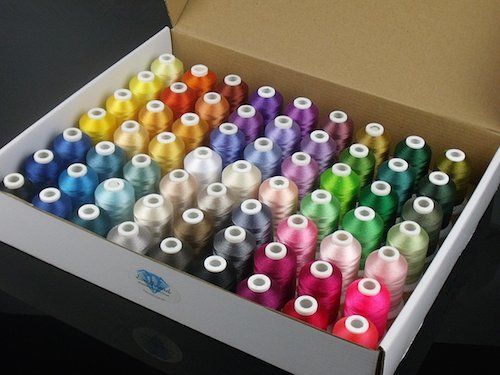
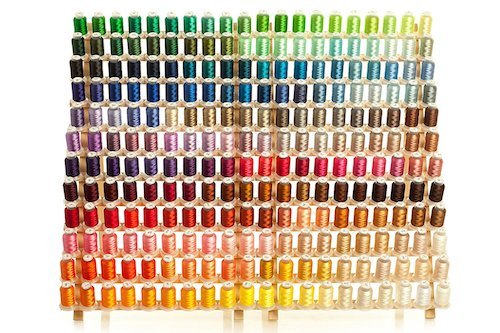
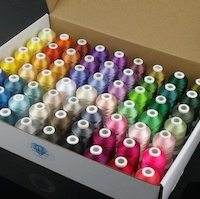
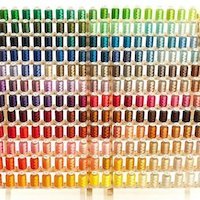
The most important features to look for in the embroidery thread you use in your machine are quality and value. The value in getting a larger number of colors depends on the types of projects you normally perform and the volume of embroidery you normally do. The idea of having the 260 colors to choose from in the Mega Kit might seem too exciting to pass up, especially when this is the best value. But left unused, thread can become degraded over time from the exposure to light and heat in your home causing it to break. If you don’t use a lot of thread, a 63-spool set might be the better value for you. You can use this as your base thread supply and then supplement it with individual spools that you use more of. You may also want to experiment with something new like multi-color thread or metallics.

On the other hand, if you are always starting new projects and you are doing more than monogramming the cheerleaders’ uniforms in the school’s famous blue and white emblem, the Mega Kit will be an amazing tool for you.

These thread sets require the user to either place the number sticker on the machine during use or to write the number inside the spool for identification. It is also necessary to use tape or another method to secure the tag end after being used. None of the thread sets come with a rack for storage but they can easily be organized in plastic containers. These are minor inconveniences that may not be necessary with the name brand threads but that most users feel are well worth the effort for the savings and the excellent results they get when using these embroidery threads.

Embroidery Machine Thread Comparison Chart

Simthread 63 Brother Colors Embroidery Machine Thread

Embroidex 63 Brother Thread

Embroidex Polyester Mega Kit 260 Spools Embroidery Thread

Thread Weight

40 Weight

40 Weight

40 Weight

Colors Included

63

63

260

Thread Material

Polyester

Polyester

Polyester

Length

550 yds.

550 yds.

550 yds.

Machine Thread Reviews


Simthread 63 Brother Colors Embroidery Machine Thread

The Simthread collection comes in 63 colors of polyester thread with a 120 denier, 2-ply and 40 weight that is made for use in Brother embroidery machines. These specifications are considered the standard for machine embroidery thread. The Simthread Company has been a dedicated Brother embroidery thread supplier for more than 35 years and they have a reputation for producing a superior quality product. The tri-lobal construction has a high luster and vivid color that closely matches those produced by Brother. Each spool contains 550 yards of thread.

The Simthread 63 embroidery thread collection is compatible with a variety of home computerized embroidery machines including those by top brands like Babylock, Bernina, Singer, and Janome. The collection includes a wide variety of colors and works in nearly any home computerized machine without breaking, shedding, or creating lint. The combination of popular colors and great value make this collection of embroidery thread a great value.

Embroidex 63 Brother Colors Embroidery Machine Thread

This collection of thread also comes in colors to match those of the Brother embroidery machine thread and it is 40-weight polyester with 550 yards on each spool. Users find the thread to be of high quality, performing thousands of stitches without breaking. The colors are vivid and can be marked with the stickers that identify them as the same color as those in the Brother collection.

The Embroidex 63 Brother Colors Embroidery machine thread makes it more affordable for those with a home embroidery machine to get the same colorful results you would with the brand name thread at a cost that is more affordable.

Embroidex Polyester Mega Kit 260 Spools Embroidery Machine Thread

The Mega Kit is the ultimate collection of embroidery thread for those who use their machine regularly and use a diversity of colors in their designs. The thread in this collection is the same 120 denier and 2-ply thread in the 63 collection and it produces the same high quality results. The large selection of colors gives sewers a greater outlet for their creativity by creating custom color combinations. Of the three collections, the Mega Kit 260 is the best value of all.

This review compares three sets of machine embroidery thread including the Simthread 63, Embroidex 63, and Embroidex Polyester Mega Kit 260 thread sets based on variety, quality, and value.

The post What Is The Best Embroidery Thread For A Machine appeared first on Stitcher's Source.
Sunday, May 8, 2016

What’s the Best Child’s Sewing Machine?

How to Choose a Child’s Sewing Machine

Once a child shows an interest in sewing, parents want to find a child’s sewing machine that will introduce them to the craft without investing a lot of money just in case their interest doesn’t blossom. There is no set age that kids typically start to look at sewing seriously and children of the same age differ greatly in their ability to follow directions as well as in dexterity.

Quick Recommendation

Safety first! With its finger guard to prevent stitching little fingers, the Fast Lane is our top pick for children's sewing machines. (It comes in colors other than Fuchsia, too.)

Choosing the best kid's sewing machine will depend on the child as well as the sewing machine’s features. For this review, I chose the line of Janome Hello Kitty machines including the models 15822 and 11706 and the LCD Screen Saving model as well as the Fast Lane which is also from Janome. Janome is considered by many sewers to make the best quality sewing machines for home use and they have the best variety of sewing machines targeted at children.

Sewing Machine Janome Hello Kitty 11706 Janome Hello Kitty 15822 Janome Hello Kitty 18750 LCD Computerized Janome Fuchsia Fast Lane
Size 3/4 Full Full 1/2
Number of Stitches 11 24 50 10
Finger Guard No No No Yes
Weight (lbs.) 12 14 11.6 5
Size (Inches) 9 x 5 x 10.5 14.5 x 10.8 x 7.5 14.8 x 11 x 6.6 10.5 x 5.8 x 9
Stitch Length Up to 4mm Up to 4mm Up to 7mm 5mm
Easy Reverse Button? No Yes Yes No
Button holes? Yes, One-Step Yes, One-Step Yes, 3 One-Step Yes, Four-Step
Free Arm? Yes Yes Yes Yes
Available Color(s) Aqua White/Red White Fuchsia, Lavender, Yellow, Blue, More
Standard Accessories Zig-Zag Foot, Sliding Buttonhole Foot Screwdriver, Darning Plate, Plastic Bobbins, Needle Set, Buttonhole Opener Zig-Zag Foot, Sliding Buttonhole Foot, Specialized Bobbin, Satin Stitch Foot F 2 Bobbins, Needle, Threader, Foot Control, Power Supply Cord, Instruction Manual
Price $$ $$$ $$$ $
How to Choose the Best Machine for Your Child

Not surprisingly, many parents’ first concern in choosing a sewing machine is the safety of their child. The addition or absence of a finger guard is a point of controversy among sewers and parents alike. Of this list of the best sewing machines for kids, only the Fast Lane has a finger guard on the sewing foot to ensure little fingers don’t slip under the foot and get stitched! This is why smaller children will fare better with this model or with the Janome Hello Kitty 11706. While the latter does not have a finger guard, it is made so that the up position in the presser foot is not as high as in a normal machine so there simply isn’t enough room to stick fingers underneath.


Fuchsia Fast Lane

It is important to note that there are significant differences between these sewing machines which are made for kids and those that are full-size sewing machines made for adult use. Although adult supervision is always advised, a child’s sewing machine should be easy enough to use on their own from threading it, to selecting stitches, to guiding the fabric through the feeder. Often, people will purchase a full-size standard machine that has only basic stitches as an entry-level machine instead of purchasing one that is made especially for children thinking they will get a better quality machine that will last longer. In reality, the best kids’ sewing machine will often be more durable than a standard machine at a bargain price.


Janome Hello Kitty 11706

In addition, the fact that these are made on a full-scale is likely to mean that the features will be harder for kids to use effectively and safely. Full-size machines also operate with a faster stitch speed that can be difficult for kids to control.

The prices are not included in this review because they vary greatly from one retailer to another. In all instances, you can expect to pay significantly more for the Janome Computerized 18750 because of its sophisticated design. This is probably not going to be an optimal choice as a first-time sewing machine for kids of any age but it is a great choice for teens and older who have had some experience using a mechanical machine and are ready to advance to the next level. Although it includes a much larger range of options to choose from with 50 stitch types, the LCD screen instant selection and other features are geared towards ease-of-use.


Janome Hello Kitty 18750

Parents often find themselves turning to their child’s sewing machine for fast sewing jobs due to the ease and quality of sewing that makes it easier than using their standard sewing machine. Sometimes children’s sewing machines that are smaller and lightweight are also a better choice for taking classes. The Fuchsia Fast Lane is a great classroom tool since its 5-pound weight makes it highly portable. One thing to keep in mind with this model and the Hello Kitty 11706 is that neither model has an easy reverse button for finishing off seams.


Janome Hello Kitty 15822

The Janome Fast Lane is referred to as the “Fuchsia” Fast Lane at many locations but this is not the only color choice available. Kids can also choose from lilac, yellow, blue, teal and more colors to suit their personal taste. The different models of the Hello Kitty sewing machines offer a cute and colorful Hello Kitty print that kids love. The cartoon graphics and fun colors shouldn’t mislead you into thinking any of these children’s sewing machines are toys. All are made with the same quality workmanship and technology that the Janome name is known for.

Summary

Simplicity like that found in the Hello Kitty 11706 and the Fuchsia Fast Lane is what you should look for in a sewing machine for the smallest children who are just starting out. For older kids and those who are more advanced at sewing, the Hello Kitty 15822 and the Hello Kitty Computerized 18750 LCD are great choices that will work for all of their sewing projects as well.

The post What’s the Best Child’s Sewing Machine? appeared first on Stitcher's Source.
Thursday, May 5, 2016

What is the Best Sewing Machine for Leather?

Selecting a leather sewing machine presents unique challenges. Most tabletop machines intended for home use lack the power and special features necessary to truly function as leather sewing machines, while industrial machines tend to be expensive and less user-friendly. This article compares three machines poised to bridge the gap, promising heavy duty results from tabletop machines.

Quick Recommendation

Possibly not as durable as the Janome machine, the Singer CG590 packs in so many features that it is our top pick if sewing leather is your prime concern.

Janome HD1000


With a cast aluminum body and simple lines, the Janome HD1000 radiates the sturdiness of sewing machines from an earlier era. Marketed as “Heavy Duty,” the HD1000 costs claims to be an affordable sewing machine for denim and leather.

Singer CG590


In the same price range as the Janome HD1000 is the Singer CG590. With a rigid metal frame, the CG590 promises to bring “Commercial Grade” results, including the ability to tackle difficult materials.


Toyota FSG325


While Toyota has been producing sewing machines since 1946, they’ve only been selling in the United States for the past few years. Like the other machines in this article, the Toyota FSG325 is positioned as a “Heavy Duty” machine intended for everything from crafting fine apparel to working multiple layers of leather and denim.

Sewing Machine Janome HD1000 Singer CG590 Toyota FSG325
Motor Power 1.0 amp 1.6 amp 0.6 amp
Stitch Length 4 mm 6 mm 5 mm
High Presser Foot? Yes Yes Yes
Stitch Speed (in stitches per minute) 840 1,100 800
Metal internal parts? Yes No No

Motor Power


Motor strength is a critical consideration when sewing leather. While the Janome HD1000 is powered by a respectable 1.0 amp motor, the Singer CG590 boasts a 1.6 amp motor, one of the strongest available in a home sewing machine. The Toyota FSG325 comes in at the bottom with a 0.6 amp motor.

Stitch Length


Because sewing leaves permanent holes in leather, choosing a longer stitch length ultimately results in stronger seams. All three machines offer stitch lengths well above the standard 2.5 mm, with the Janome HD1000 topping out at 4 mm and the Singer CG590 extending to 6 mm. The Toyota FSG325 is a middle-of-the-road option with a maximum stitch length of 5 mm.

Tackling Thickness


Another important characteristic that helps qualify these models as leather sewing machines is their ability to handle thick material. The Janome HD1000, Singer CG590, and Toyota FSG325 all feature an extra-high presser foot lift that provides an additional ¼-inch of clearance when needed. To further accommodate thick fabrics, the Janome and Toyota machines allow the user to manually adjust the presser foot pressure. The Singer model takes this one step further and offers an automatic pressure system that adjusts to handle fabrics of varying thickness.

Stitch Speed


Like other leather sewing machines for sale, the Janome HD1000, Singer CG590, and Toyota FSG325 feature high stitch speeds, with the HD1000 reaching 840 stitches-per-minute and the Toyota FSG325 close behind at 800 stitches-per-minute. The Singer peaks at an impressive 1100 stitches-per-minute. To help handle these speeds, the Singer CG590 has a regulating dial that can be used to limit the speed when needed and both the Singer and Janome models include a finger guard to keep hands safely away from the needle.

Reliability


Reliability is one area where the Janome HD1000 shines. All three machines have a metal interior frame, but the Janome has also incorporated metal parts throughout. By comparison, the body and many other parts of the Toyota and Singer are plastic. Complaints related to needle alignment, tension issues, bobbin performance, jamming, and broken parts are common with the Singer CG590. Although not as widely maligned as the Singer, there is concern that Toyota’s choice to use plastic for important components such as the drive gear is problematic.

Looking for the best coverstitch sewing machine? Click here.


Recommendation - Singer CG590


The Janome HD1000, Singer CG590, and Toyota FSG325 each position themselves as the best home sewing machine for garment-weight leather in their price range. The Singer CG590 brings better specifications to the table nearly all the way around, although all three machines contain enough features to accomplish most home leather jobs. If you want a machine you can hand down to your grandchildren, Janome’s performance history, solid motor power, and reliability make it the best choice. However, the Singer has the best all-around set of features and it tends to be the cheapest of the three, making it a serious value if long-term reliability isn't your number one concern. 


The post What is the Best Sewing Machine for Leather? appeared first on Stitcher's Source.
What Is the Best Embroidery Machine?

Embroidery sewing machine feature

The best embroidery machine for you will depend on your skill level and what you plan to use the machine for. A beginner who is looking for a budget friendly home machine will vary greatly from someone who has an embroidery business.

Take a look at the guides below for a specialised look at each different use and the top machine for it:

Beginners

Just getting started with embroidery? Check out this article on the sorts of machines we recommend for those just starting out and what to look for.

Home business

If you own or are starting a home embroidery business, take a look at this article on the best machine for your unique needs with options for both commercial and home equipment.

In the hoop embroidery

Looking for the best "in the hoop" embroidery machines? We have a rundown of the best machines and their key features.

Home use

There are a lot of embroidery machines on the market for the home sewer, check out our table of the top machines available now. You can sort them by price, the embroidery area, rating and other important features you need to consider when making your choice.

Commercial/industrial/professional machines

If you're in business, you need a machine that can handle volume efficiently and precisely. Take a look at our table of currently available commercial machines that are all available online which means they can be shipped anywhere in the US.

Monogramming machines

If you want a machine specially for monogramming, whether for business or a hobby, essentially you need an embroidery machine but may like to look for more features specifically related to creating monograms. Take a look at our picks of the best one to suit your needs.

All of the sewing machines we recommend on Stitcher's Source are available to purchase online at Amazon.com. This is the top place we recommend to purchase a sewing machine online as they are a trusted e-commerce name which offers sewing machines at the best prices on both home/domestic and commercial equipment and ship all over the US.

The post What Is the Best Embroidery Machine? appeared first on Stitcher's Source.
What is the Best Coverstitch Sewing Machine?

Coverstitch sewing machines are used to create a professional-looking hem to garments and evenly apply trims to flat seams. They are especially handy for people who like to make clothes from knit fabrics and need to make seams that retain some stretch. The coverstitch sewing machine works with either one, two or three needles on top and a thread looper below that weaves thread through the stitches to form a double-locking chain.

Quick Recommendation

Great for hobbyists, home professionals and everything in between, the Juki MO-735 is our top pick for a coverstitch sewing machine. 

Sewing is done from the top of the material with the fabric edge underneath and it creates a single straight stitch for every needle that is used on the top and a chain stitch over the raw edge below. I chose Coverstitch machines from Brother and Janome and a hybrid coverstitch/serger machine from Juki for this review to provide a variety of options in feature and cost.

Coverstitch Machine Brother 2340CV Janome CoverPro 1000CPX Juki MO-735
Max Stitch Width 6mm 6mm 5mm
Presser Foot Adjustable Adjustable Adjustable
Max Speed (stitches/minute) 1,100 1,000 1,500
Special Features Janome’s Seam Tightening System™ Multiple Stitch Options Including 5-Thread Safety Stitch, Sews Heavy and Difficult-to-Feed Materials
Number of Needles 1, 2 or 3 1, 2 or 3 2, 3, 4 or 5
Price $ $$$ $$$$
Level of Expertise Hobbyist/Enthusiast Enthusiast/Professional Enthusiast/Professional
Warranty Limited 1-Year parts and labor, 5 years for electric 5 Years mechanical, 2 Year Electric, 90 days on material or workmanship Limited 2-Years on motors, light assembly, wiring, switches and speed control, Limited 5-years on all other parts
Country of Manufacture Taiwan Japan, Taiwan, Thailand Japan
How to Choose the Coverstitch Machine That Is Right for You

The first thing to consider when comparing these three models is the features that they all have in common. Each machine has differential feed which allows you to change the setting for how much material is fed through the machine. Adjusting the knob for this setting will help you prevent “tunneling” that can occur between stitches or put light gathering into garments where it is wanted. Both the Brother and Janome machines can be used with one, two or three needles while the Juki takes stitching to a whole new level! The combination of serger and coverstitch features make it the most versatile machine available.


Juki MO-735

Many people disagree about the advantage of combining the functions of a serger with those of a coverstitch sewing machine. Many find them more difficult to thread and to switch from one function to the other. The Juki MO-735 is no exception but once the technique is mastered, the process becomes much faster and easier.

Another complaint many buyers share about the Juki MO-735 is that the instruction manual is difficult to impossible to understand. Fortunately, the instructions on YouTube make it much easier to thread the machine and use the different stitches.

The Problem with Overlock/Serger Machines

When overlock machines, or sergers, were first introduced on the market, one of the biggest problems many people had with them was threading. A single mistake in threading any of the three or four spools of thread could result in poor stitch quality. Not only was it difficult to find the problem in the threading guide, there was always the potential for the poor stitching to be from inaccurate tension settings. I know this firsthand because I took my first serger out to the trash dumpster and happily threw it in after two repairs and numerous attempts to thread it without any success.


Janome CoverPro 1000CPX

Although a coverstitch sewing machine is threaded in much the same way as a serger, there have been many improvements since the original models. They also differ in that the coverstitch machine creates a coverstitch on the bottom of the fabric and it doesn’t cut the material off as the seam is sewn. The Juki MO-735 is the only machine in this review that allows you to choose between the overlock and coverstitch functions.

Both the Brother and Janome machines use three needles and three spools of thread. All three machines are color-coded to simplify the threading process and, like the Juki, videos are available on YouTube to help you thread and use the Brother and Janome machines.


Brother 2340CV

All three of these coverstitch sewing machines are from leading brands of regular sewing machines so that you may already have a favorite. Going by brand alone may be all you need to make the right choice as long as you will be using the coverstitch machine for the same level of work that you use your regular sewing machine.

Recommendations

If you want a machine that will make it easier to hem the knit garments you make for yourself, the Brother 2340CV will probably meet your needs. If you are going to take on the job of making leggings for your daughter’s gymnastics team, you may want to move up to the Janome CoverPro. For use in a home business of making custom leggings, the Juki MO-735 is the closest thing to a commercial Coverstitch sewing machine that you can buy for the home.

Most sewers find that a coverstitch machine makes a valuable addition to their sewing room. For those who make knit garments or who need a tool that will help them create a smoother curved hem, no other type of sewing machine will meet the demand better. It is the frequency of use and the need for the most professional results that should guide you in making your choice. Once you have determined your need for durability and quality performance, look at the differences in features that will impact your sewing needs. Sometimes the smallest detail can make a big difference in the quality of your results.

Looking for the best child's sewing machine? Click here.

Summary

Every coverstitch sewing machine is designed to give a professional finish to the garments you make. The difference between the three models reviewed here is in their ability to consistently accomplish that goal. The right machine for your use should fit your personal or professional sewing needs as well as your budget. The information provided here should help you decide the level of performance and extent of durability that you will need from the machine you purchase.

The post What is the Best Coverstitch Sewing Machine? appeared first on Stitcher's Source.

Wednesday, May 4, 2016

Finding the Best Monogramming Machine

If you’re looking for a machine to sew monograms, you need an embroidery machine as this piece of equipment will do not only monograms, but other embroidery designs as well. So once you get a sewing machine for monogramming, you’ll also have the option to do other sorts of embroidered designs with it.

Quick Recommendations

The huge easy-on embroidery area of the Singer Futura XL-400 makes it a great machine for monogramming.

If you want to go top-of-the-line though, the Brother PE770 is an absolutely exceptional monogramming and embroidery machine.

We’ve taken a look at the best reviewed embroidery machines to use for monogramming both for home use and commercial/professional use. If you're looking specifically for a monogram decal machine, we have reviewed those as well.

Home/Domestic Use

If you’re just looking to do monograms on personal items, gifts, home decor or other craft projects, a home embroidery machine with the right features is all you need to create great monograms. Each embroidery machine comes with different levels of features specifically for monogramming. If you would like to get more creative with the monograms you create beyond the features on your machine, you can use a monogramming software program to get different fonts and designs.

Take a look at our table of the best home embroidery machines to help you choose one or we've already selected the easiest monogramming machine to use.

Commercial/Professional Use

If you’re looking for a machine for commercial/professional use, you can get started with a higher end home embroidery machine, however if you will be doing large volumes, a commercial machine offers the durability and efficiency you need.

As monogramming is usually only done in a single or small amount of colours, a commercial single head, 6 needle machine will be sufficient. The more expensive commercial machines with up to 15 needles are really only needed if you will be doing other embroidered designs that may have a number of colours in them. You can still use a 6 needle machine for embroidery that has larger amounts of colours in them, it just means the thread needs to be changed more often.

Take a look at our table of commercial embroidery machines where you can sort them by price, number of needles, number of heads and other features.

The post Finding the Best Monogramming Machine appeared first on Stitcher's Source.